The Cuatro
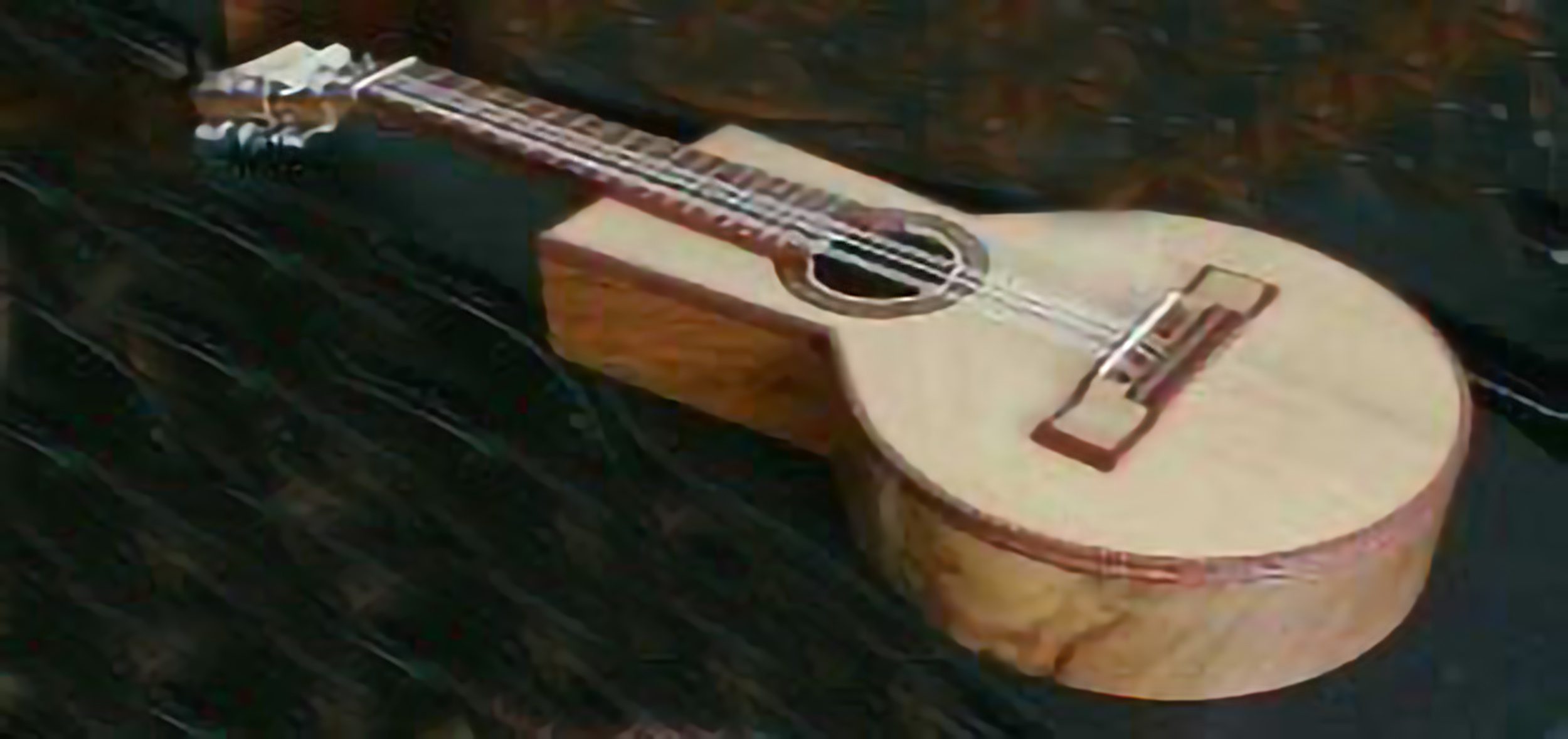
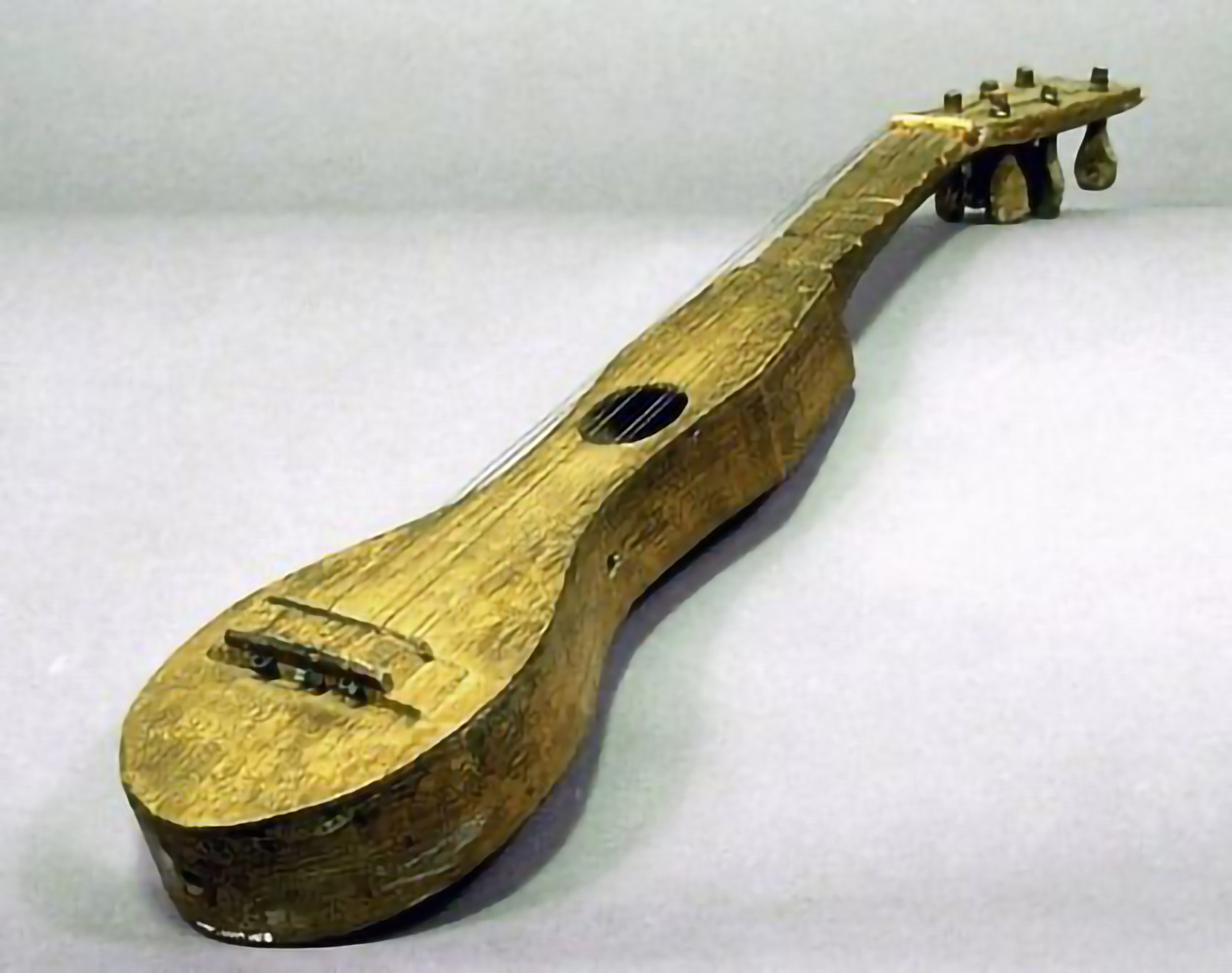
The popular account that seeks to explain the Puerto Rican cuatro’s evolution goes something like this: the cuatro first appeared as a rustic four-stringed instrument–hence it’s name– and as the centuries passed, Puerto Ricans progressively added more strings to it, culminating ultimately in the modern ten-stringed instrument. The explanation appears to have a neat logic to it, but we have discovered that this is a myth.
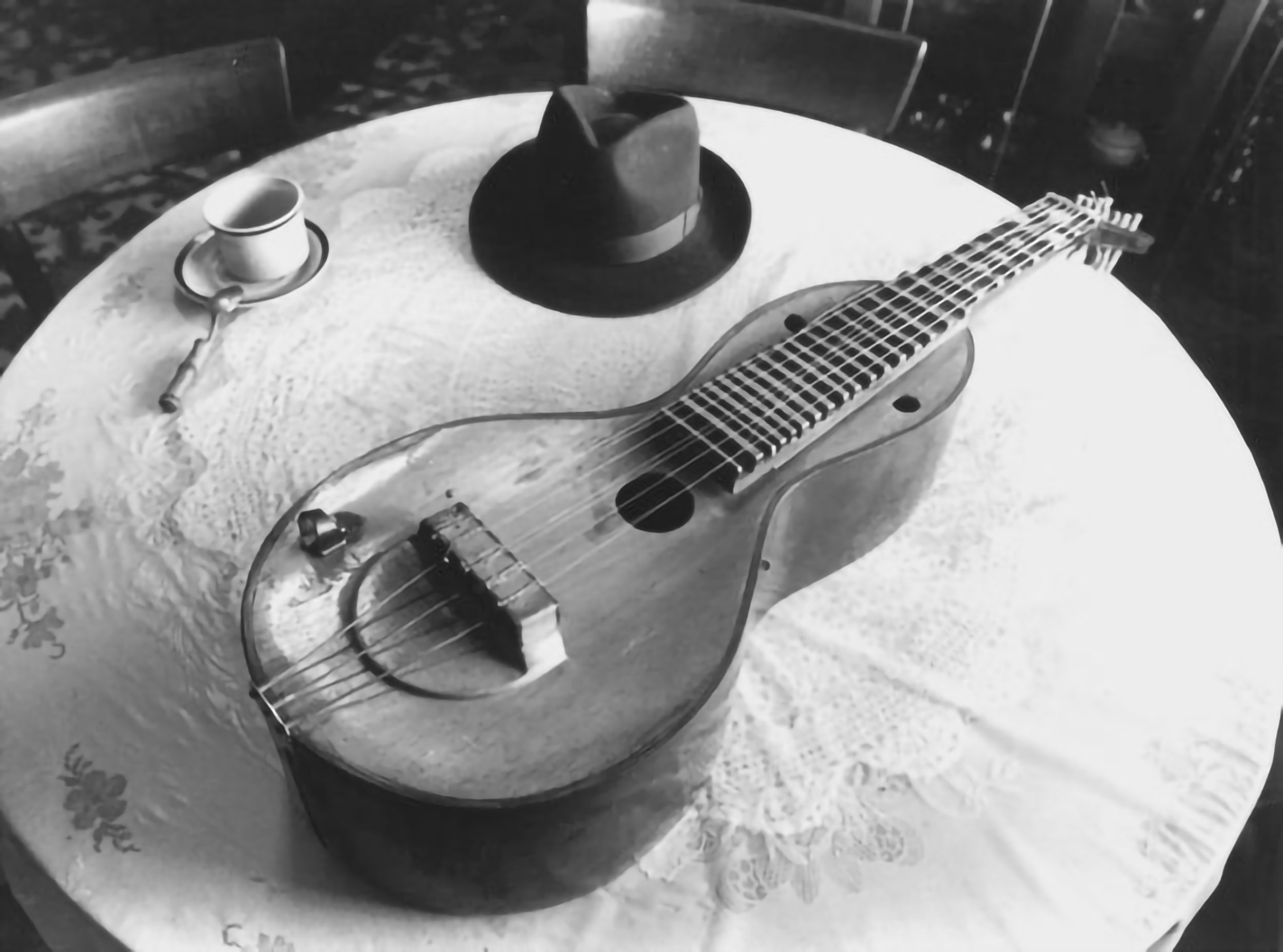
Our research during the last decade has led us to a different conclusion: that it is more precise to summarize the cuatro’s history as the evolution of two distinctive, unique instruments which coexisted during the first half of the last century, each with its own form tradition and native geography. We could name these two instrument traditions the early cuatro and the modern cuatro. This new assesment of the cuatro’s history is based on findings indicating that within each tradition, the two cuatros differed dramatically in the number of their
strings, their tuning, their size, their shape, their musical function, their musical and geographic range and their ancestry. The differences are such that it is difficult to explain how the two instruments came to share the same name for so long, but folk memory on the Island has fused two traditions into an apparently logical explanation.
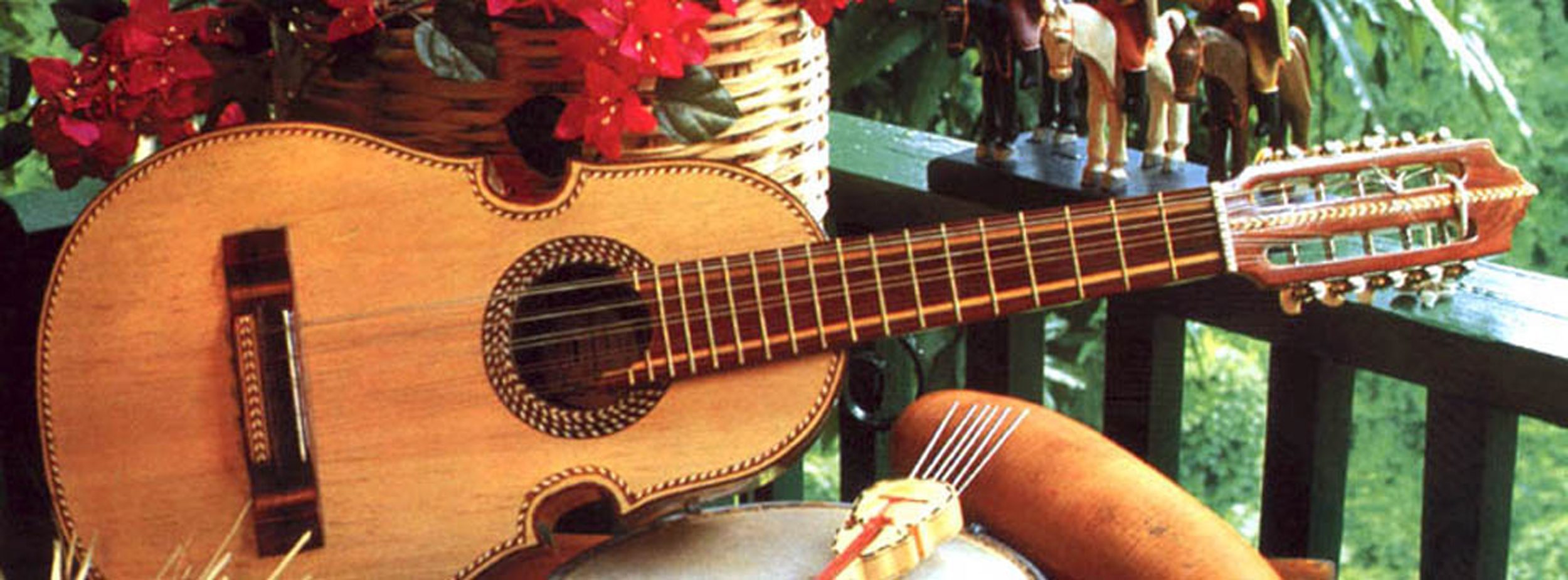
It is this confusion that gives rise to the frequently-asked question: “How come it’s called a cuatro if it has ten strings?” As we shall see, the name “cuatro” originally described a four-string Puerto Rican instrument born perhaps three hundred years ago which gradually disapperead around the middle of the 20th century. Its name, however, was transferred in popular usage onto a new ten-stringed instrument, developed in the late 19th century in northern towns and cities of the Island. The new instrument, carrying the old name, passed into the 20th century, and largely due to the skill of a very famous cuatro player, Ladislao Martínez (Maestro Ladí) and his ubiquitous presence over early Puerto Rican radio, became our cherished modern cuatro–the Island’s “national instrument.” Here are the details of our findings:

Special Features
Lorem ipsum dolor sit amet, consectetur adipiscing elit, sed do eiusmod tempor incididunt ut labore et dolore magna aliqua. Ut enim ad minim veniam, quis nostrud
Lorem ipsum dolor sit amet, consectetur adipiscing elit, sed do eiusmod tempor incididunt ut labore et dolore magna aliqua. Ut enim ad minim veniam, quis nostrud

Lorem ipsum dolor sit amet, consectetur adipiscing elit, sed do eiusmod tempor incididunt ut labore et dolore magna aliqua. Ut enim ad minim veniam, quis nostrud
Different Variations of Instrument

Lorem ipsum dolor sit amet, consectetur adipiscing elit, sed do eiusmod tempor incididunt ut labore et dolore magna aliqua. Ut enim ad minim veniam, quis nostrud
Lorem ipsum dolor sit amet, consectetur adipiscing elit, sed do eiusmod tempor incididunt ut labore et dolore magna aliqua. Ut enim ad minim veniam, quis nostrud
Lorem ipsum dolor sit amet, consectetur adipiscing elit, sed do eiusmod tempor incididunt ut labore et dolore magna aliqua. Ut enim ad minim veniam, quis nostrud
Test copy
Other Instruments

The Cuatro

The Tiples
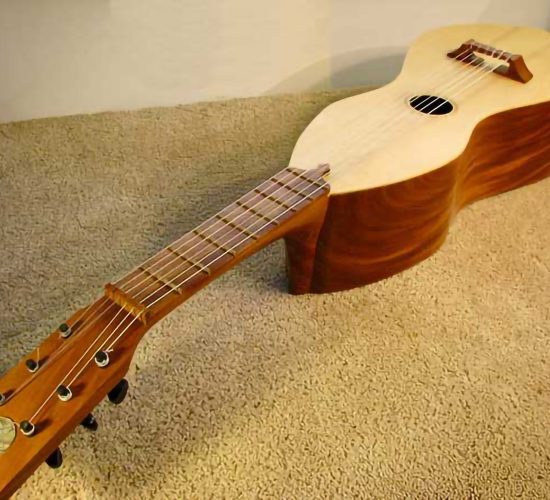
The Bordonúas

The Vihuela-Bordonúa

Other Puerto Rican Strings
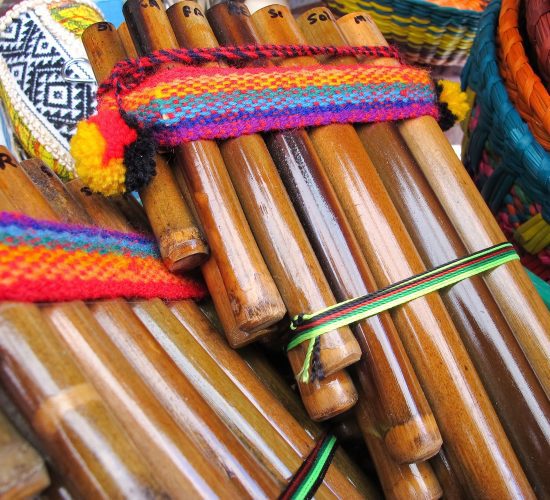
Instruments Of Latin America
The Small Bordonúa