
About The Project
The Puerto Rican Cuatro Project was begun in 1991 by a small band of New England/Puerto Rican artists, artisans, technicians, teachers and writers. They shared a passion for the cuatro and the concern that crucial links to the cuatro’s story are disappearing–surviving as they do in only the fading recollections of the Puerto Rican people. The Puerto Rican Cuatro Project would provide a means to rediscover, document and preserve this “lost history” and then return it to the Puerto Rican people in all the ways that would be accessible to them.
For several years, giving their time freely, they identified and interviewed almost two hundred members of a special group of people: the living embodiment of the tradition. The Project identified the most revered players and instrument makers, active and retired (and living descendants of those deceased), and the most knowledgeable scholars, cultural promoters and collectors. Their commentary and recollections formed the basis for the compiling of a massive, unprecedented knowledge base of oral history of Puerto Rican music and musical-craft traditions.
Then a search began of the published record, the historical bibliography, the musical instruments, the recorded sounds and photographic images. Having compiled these into collections, the next phase was to publicize the existence of the Project to attract support and resources for its goals. Through public appearances, private home gatherings, live traditional music concerts and cultural festivals—usually organized and facilitated by the members of the Project itself—the Project was able to rally a remarkable fund of interest and encouragement, notably from the National Endowment for the Arts, from the Institute of Puerto Rican Culture (an agency of the Government of Puerto Rico), and from the music, anthropology, and communications departments of several New England universities–such as the University of Massachusetts, Hunter College and Rutgers University–and recently, from the Smithsonian Institution.



Project Goals
…an agenda of education and inspiration
The cuatro has been for many Puerto Ricans far more than just a pastime: over the centuries the cuatro has served as crucial tool for emotional survival. Through the centuries, Its primordial importance as a vehicle for the expression of secular and religious themes of the countryside has made Puerto Ricans and their cuatros inseparable
…an agenda of education and inspiration
fund documentation and cultural development projects has traditionally been to ask for grants from private and public institutions
Personnel
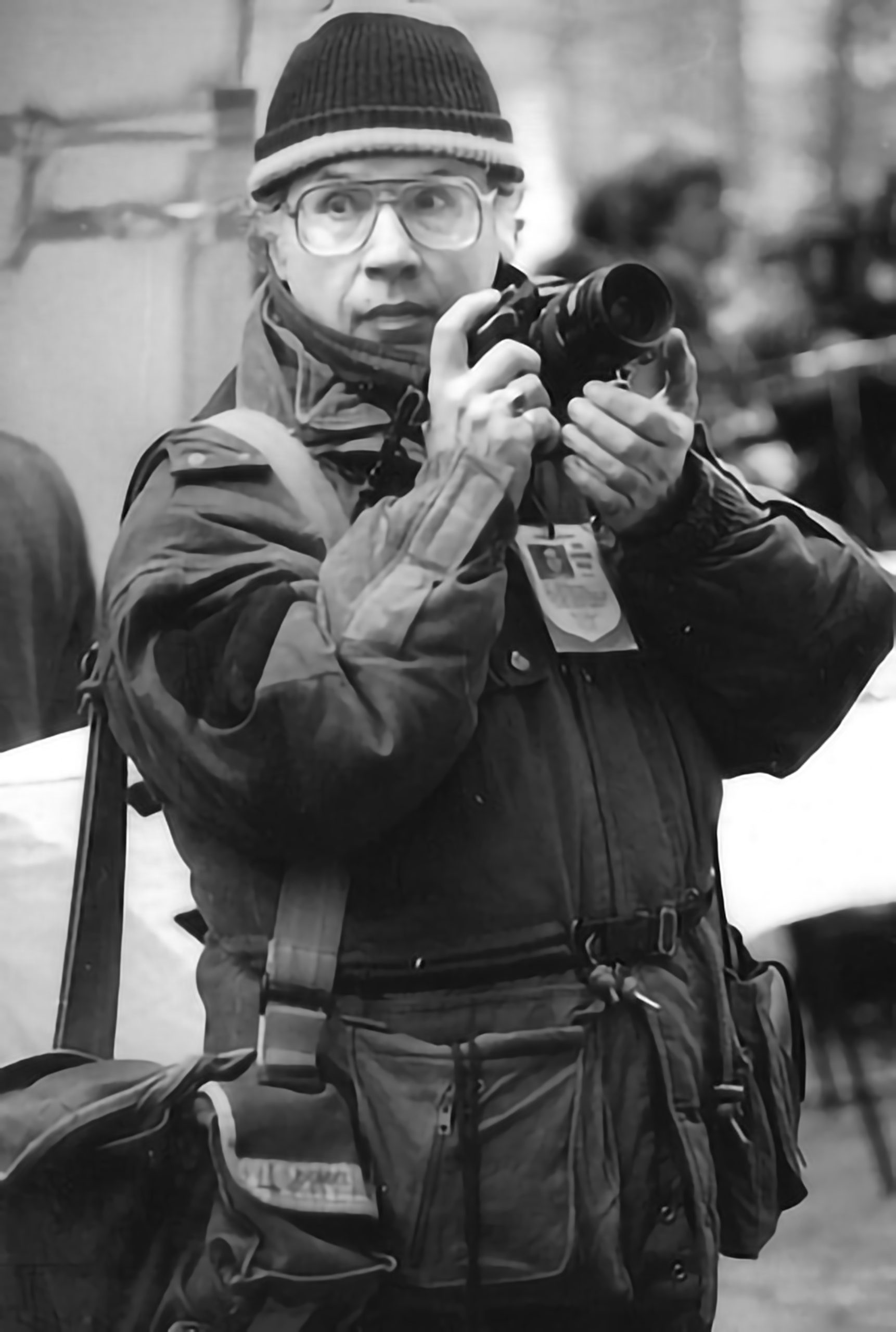
Juan Sotomayor
is co-founder of the Puerto Rican Cuatro Project. His function is to conduct and collect oral history interviews; compile musical field recordings; investigator of published and archived sources; collector of recovered photographs and creator of an extensive archive of new photographs; and finally creator of a historic chronology of the cuatro, its music and craft. Juan Sotomayor was born in New York City in 1940 of Puerto Rican parents. Until his recent retirement, Juan was a prize-winning photographer living in New Jersey and working on the New York Times staff since 1966. He is also an accomplished guitarist and cuatrista, previously a member of numerous professional groups, having recorded for the Ansonia label in 1957. Currently, he lives in Moca, Puerto Rico and is devoted full-time to the Cuatro Project, completing work on an upcoming textbook on the national instrument, and after that commencing work on a series of teaching methods for the instrument Juan Sotomayor was the first Puerto Rian photographer to be employed by the New York Times. He is now retired—a resident of Moca, Puerto Rico, and works full time for the Cuatro Project.
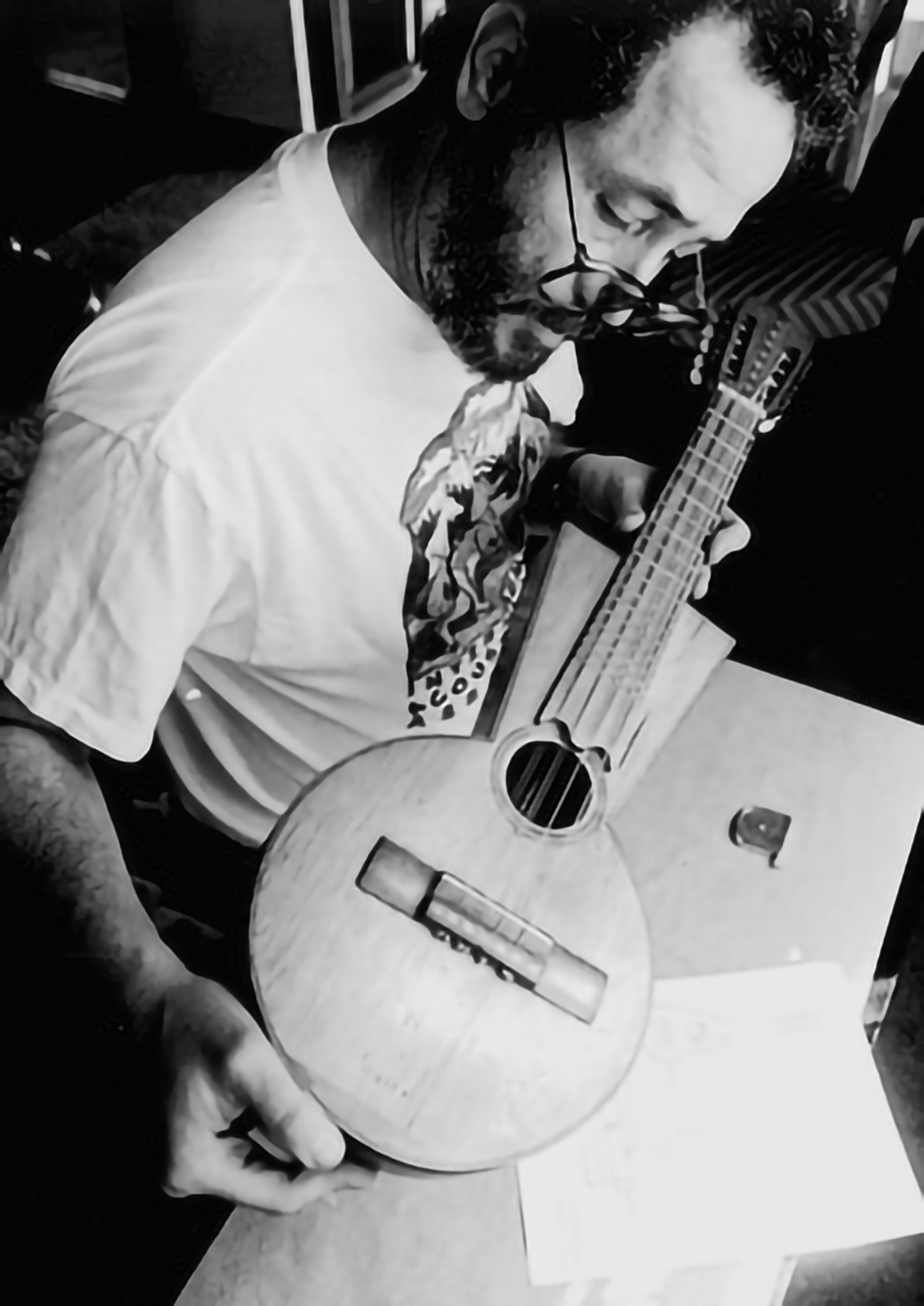
William Cumpiano
is co-founder of the Puerto Rican Cuatro Project. To date, his function has been as organizer and transcriber of the graphic and textual materials, and as facilitator, conceptualizer and coordinator of the project. William Richard Cumpiano was born in San Juan, Puerto Rico in 1945. He has lived in Western Massachusetts for the last eighteen years. After graduating with a bachelor in Industrial Design from Pratt Institute in New York City in 1968, he worked for several years in New York as a professional furniture designer. During this time he met master guitarmaker Michael Gurian, under whom he apprenticed as a guitarmaker. In 1974, he opened his own guitarmaking studio in Massachusetts. He has been been a professional guitarmaker and teacher of his craft since then, currently in Northampton, Massachusetts. In 1992, he founded the Puerto Rican Cuatro Project with Juan Sotomayor. He was also a founding board member and president of the Association of Stringed Instrument Artisans (ASIA), an international professional society. He lectured at conventions of the Guild of American Luthiers (GAL). He is co-author of GUITARMAKING: Tradition and Technology, acclaimed as the principal textbook in his field. His work has been recognized by the American Institute of Architects and the Smithsonian Institute. He has taught cuatromaking to young Puerto Rican artisans under grants originating form the National Endowment for the Arts (NEA) through various regional arts organizations.
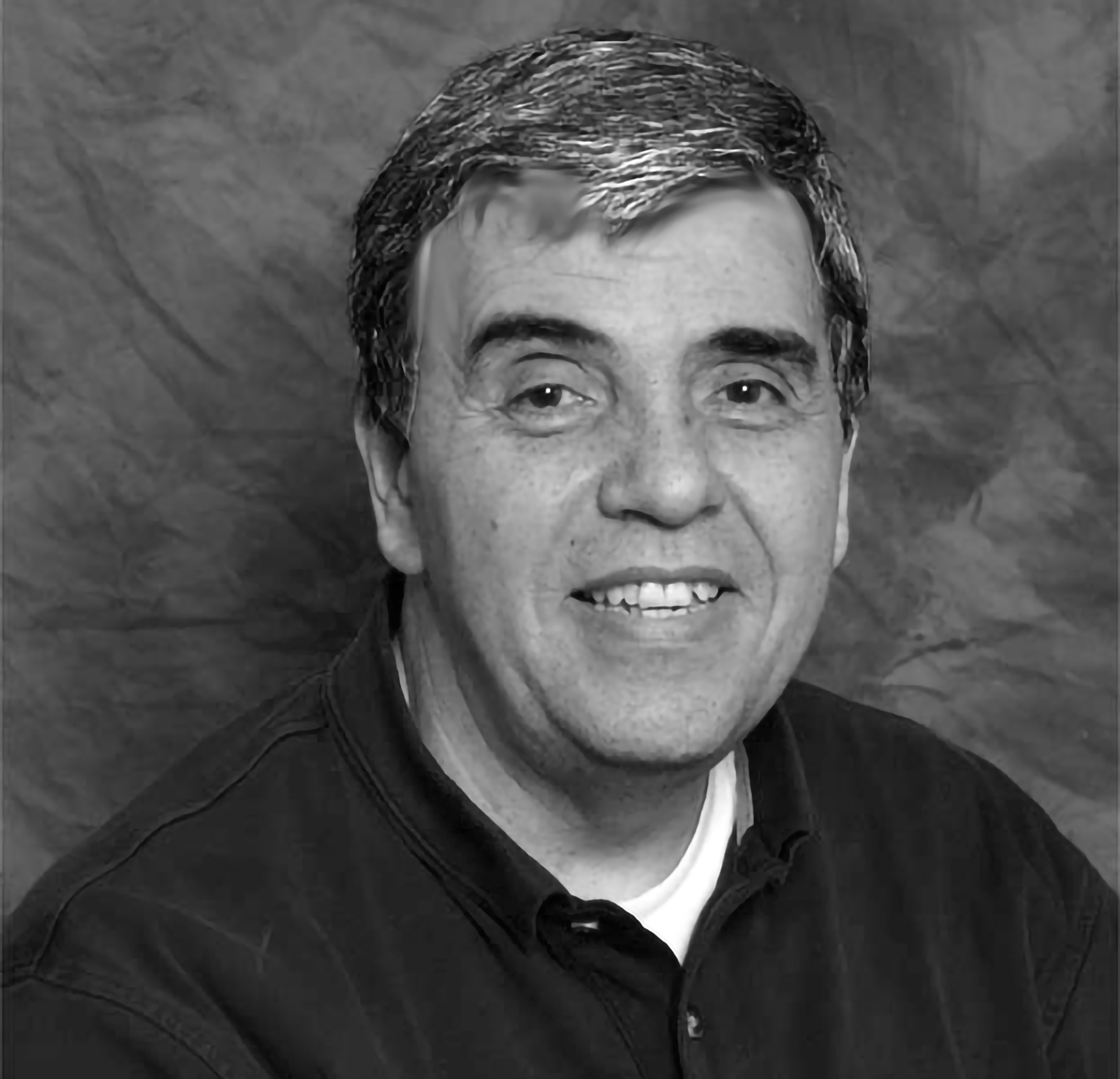
Wilfredo Echevarria
is an expert in commercial media, who has directed numerous important projects for the Puerto Rican Cuatro Project, including the video documentary NUESTRO CUATRO, Volumes 1 and 2, and a series of short features. Wilfredo Echevarria was born in Isabela, Puerto Rico. His family came to New York in 1952. He joined William Cumpiano and Juan Sotomayor in the summer of 1994 to help produce the first Puerto Rican Cuatro Festival at the Children’s Museum in Holyoke, Massachusetts. That event was the beginning of what became a tradition of festivals throughout the United State and Puerto Rico. Echevarria began working in media while still attending SUNY/Buffalo as a student. He hosted several radio programs at the university’s public radio station. While in Buffalo he also co-founded a Latino community newspaper, hosted a public affairs program on the ABC affiliate, worked as a production technician at the public television station, co-founded directed a children’s puppet and theater company and was a partner in starting a graphics arts business. Echevarria was teaching video workshops in a city run program when he was offered a position as assistant community affairs director for the NBC affiliate in Hartford, CT. There he produced three weekly shows, a monthly new documentary (winner of the 1984 IRIS award for best documentary) and public service announcements. Echevarria moved to Springfield, Massachusetts and Springfield public television. There he produced and co-hosted a series live programs from the city’s different ethnic neighborhoods. He also produced a weekly political roundtable discussion program with a journalist, produced and hosted political election coverage and a series of television documentaries, winning a second Emmy nomination for a documentary on the Tuskegee Airmen. Echevarria also worked with the Springfield Museum Association in the design of their new television studio and headed the committee to set-up the museum’s cable channel. Currently Echevarria produces video for computer- based training courses and other media and web related materials for the University of Connecticut School of Social work.
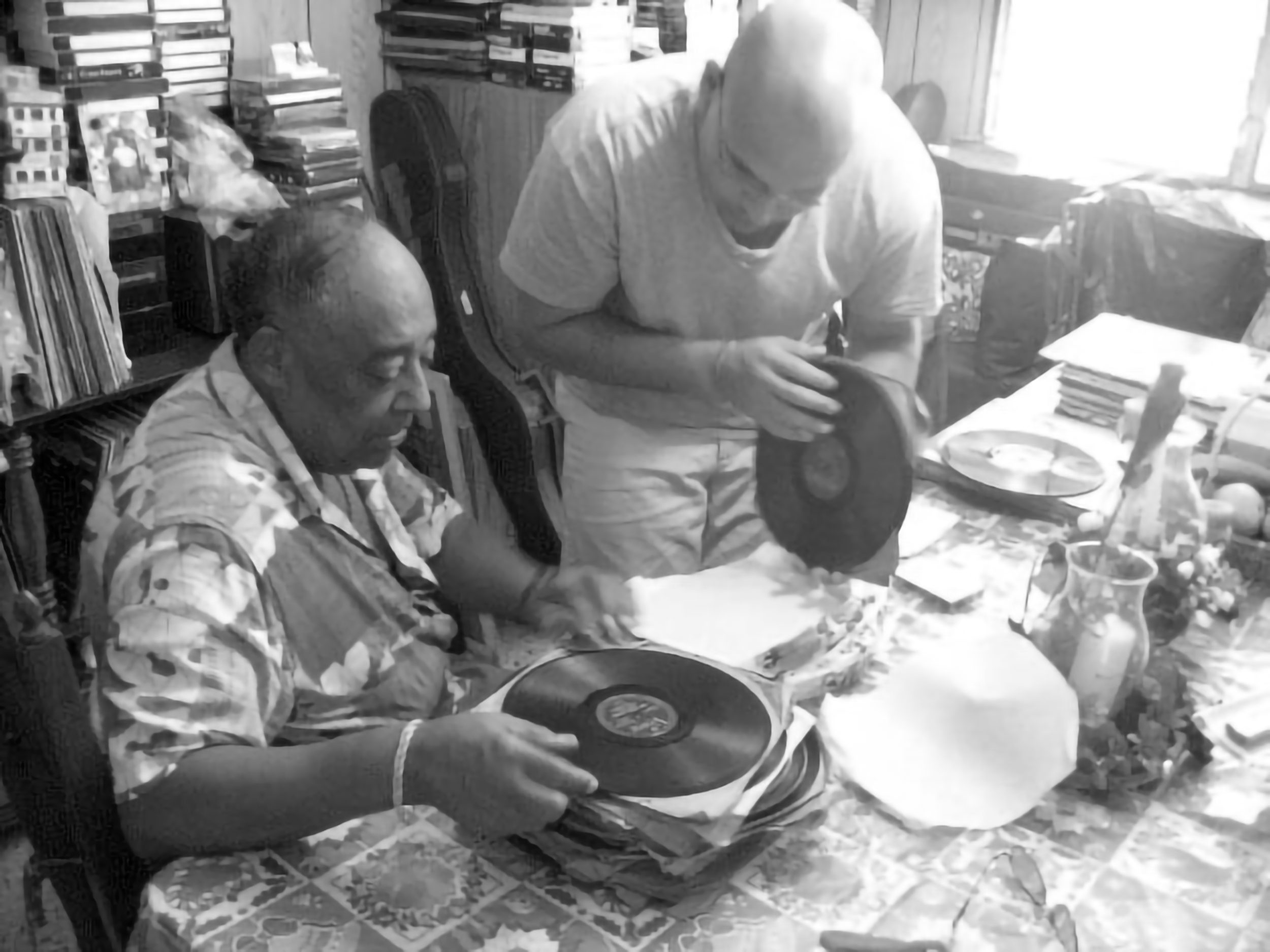
is a foremost expert in the field of vintage jíbaro music recordings, and owner of one of the largest—if not the largest—private collections of early and modern recordings of traditional Puerto Rican music. His seminal research on the lives and work of some of Puerto Rico’s most admired traditional singers includes an important work on the history and career of the great poet-singer Chuíto el de Cayey—until that point, a life shrouded in mystery and destined for oblivion— which was published in the annual journal, La Canción Popular. Morales and his family moved to Lynn from Puerto Rico at a young age, speaking no English. Going through the Lynn experience, David graduated honorably from LCHS and went on to Bowdoin College.From his success at Bowdoin , he became a Budget Analyst for the Ways and Means Committee in the Massachusetts House of Representatives. In 2001, Mr. Morales was appointed as Executive Director of the new Massachusetts Prescription Drug Insurance Plan.In 2003, he accepted the position as Senior Advisor the the President of the Massachusetts Senate. Early in 2009, Mr. Morales was hired by new Governor Patrick to become a Senior Advisor for Strategic Planning and Policy. In 2010 he was appointed by Governor Patrick to be Commissioner of Health Care Finance for the state of Massachusetts. David is deeply involved with the Puerto Rican community, being past president of El Jogorio de Massachusetts, a Boston non-profit agency which trains young Latinos to become leaders, the Bowdoin College Alumni Council, and is an active member of the Golden Fleece Masonic Temple, a service organization. David Morales lives in Lynn, with his wife Samanda and son Anthony.
is an outstanding media specialist, writer, researcher and historian who has been invited to join the Cuatro Project team to assist in the preparation and realization of educational materials for the Project. She directs her own media production company and directed the recent Cuatro Project video documentary titled “The Decima of Borinquen.” She is currently working on the organization and editing on the Cuatro Project textbook, “Searching for the Puerto Rican Cuatro” which covers the history and development of the family of traditional stringed instruments of Puerto Rico.
the polifacetic writer, photographer, historian, cultural promoter and community organizer is also Chicago coordinator for the Puerto Rican Cuatro Project. You can reach Carlos Flores here. The web page, Puerto Rican Chicago features his life and work.
Accomplishments
Recovered And Re-Created Jíbaro Stringed Instruments
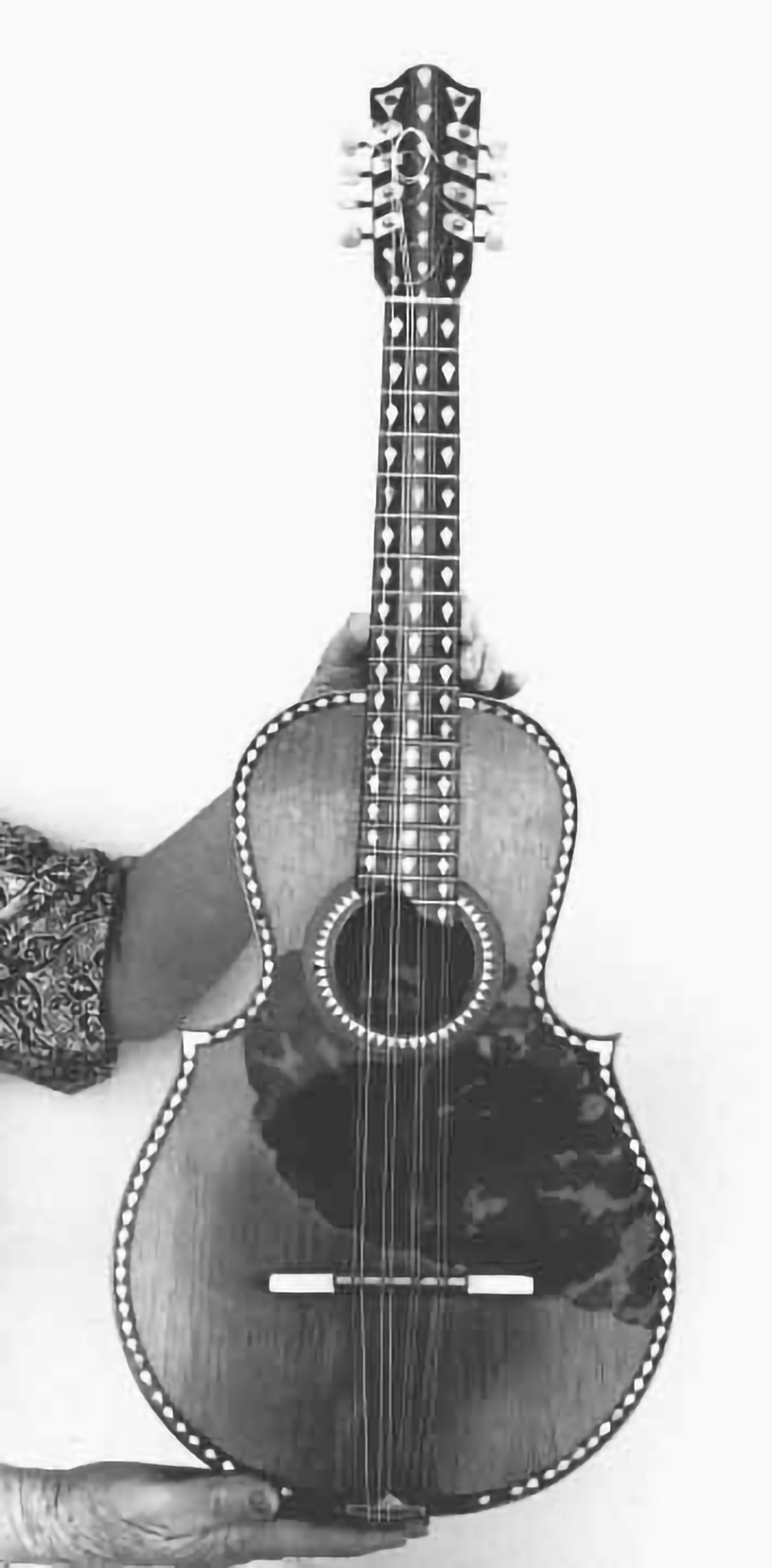
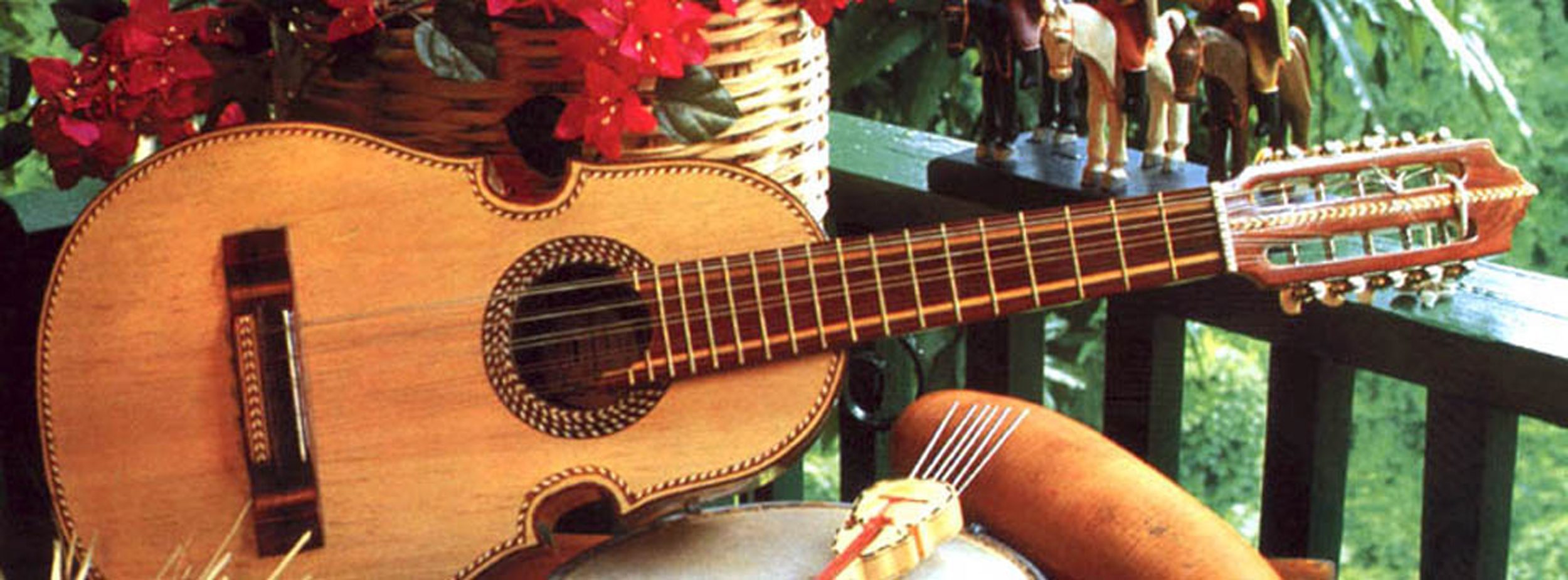
Over the years, the Cuatro Project has acquired an important collection of new and historic traditional string instruments, which include modern recreations of instruments forms that disappeared —made by expert luthiers from measurements taken from relics in museums and private collections. Among the specimens are a four-string cuatro antiguo, several rare bordonúas, several new and old cuatros, requintos, and guitars; several tiple dolientes and a tiple con macho; and a recently-acquired authentic specimen of the fabled violarina. A number of recreated instruments are about to be acquired, such as an eight-string cuatro yaucono, a 19th century six-string bordonúa and a cuatro de higüera.
Conducted Original Research
Over the last 15 years, the Cuatro Project has conducted original research, unprecedented in its field, of topics within Puerto Rican organology and cultural history. An early grant from the National Foundation for the Arts and National Foundation for the Humanities facilitated our first field trips and our training in research methods. The research has taken the Project to museum collections around the United States and Puerto Rico—from the Metropolitan Museum of Art and the Plantation Museum of Hawaii to the Museo de Humacao and the Casa Ulanga of Arecibo. Documents have been procured from the Archivo General de Indias (General Archive of the Indies) in Seville and the Musical Instrument Museum in Rome, to the Archivo Nacional de Puerto Rico. Research into early craft techniques were also conducted, such as inquiries into the properties of vegetable-based glues and medieval and Renaissance instrument-making techniques in Europe and the Americas. The Project has also acquired considerable knowledge of the early twentieth-century migrations of Puerto Rican musicians to New York and Hawaii. As a consequence of this effort, the Project developed a unique hypothesis on the origins and evolution of the Puerto Rican cuatro and other native stringed instruments, one which fundamentally challenges popular notions and the “official story.”

Recovered Photographs
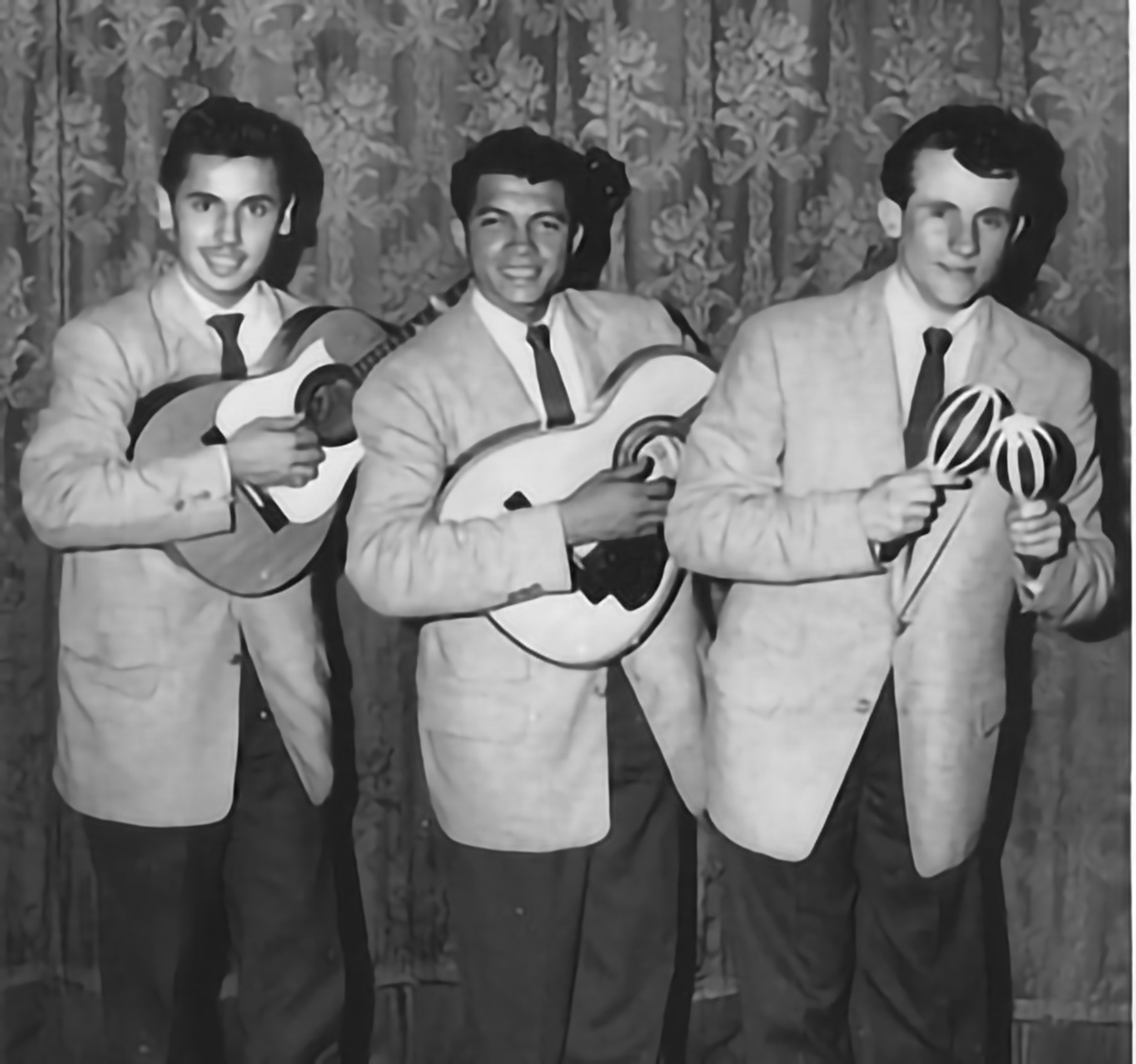
The Cuatro Project has archived and digitized hundreds of old photos loaned from the personal collections of many important traditional artists we’ve interviewed since 1992. These include childhood snapshots, studio portraits and on-stage photos; and old photos of musical groups. Additionally, the Project has attained permission to show and archive photographs culled from public collections, and even un-requested family snapshots sent to us from relatives of deceased artists, wishing to preserve the public memory of their once-famed grandfather or uncle.